To become a Chartered Chemical Engineer in Australia, you need to build professional experience, demonstrate independent engineering practice and apply for the Chartered credential through Engineers Australia (EA). You must be an Engineers Australia member, have at least five years of engineering experience and show competency across 16 elements linked to your occupational category and area of practice.
For chemical engineers, the relevant pathway sits within the Professional Engineer occupational category. EA assesses professional engineers against qualifications, experience and competency standards that support independent or unsupervised practice.
CDRAustralia.Org is the Australian organization and provides support to become chartered engineer with Engineers Australia by writing 16 elements of competencies with 100% plagiarism free without using AI tools.
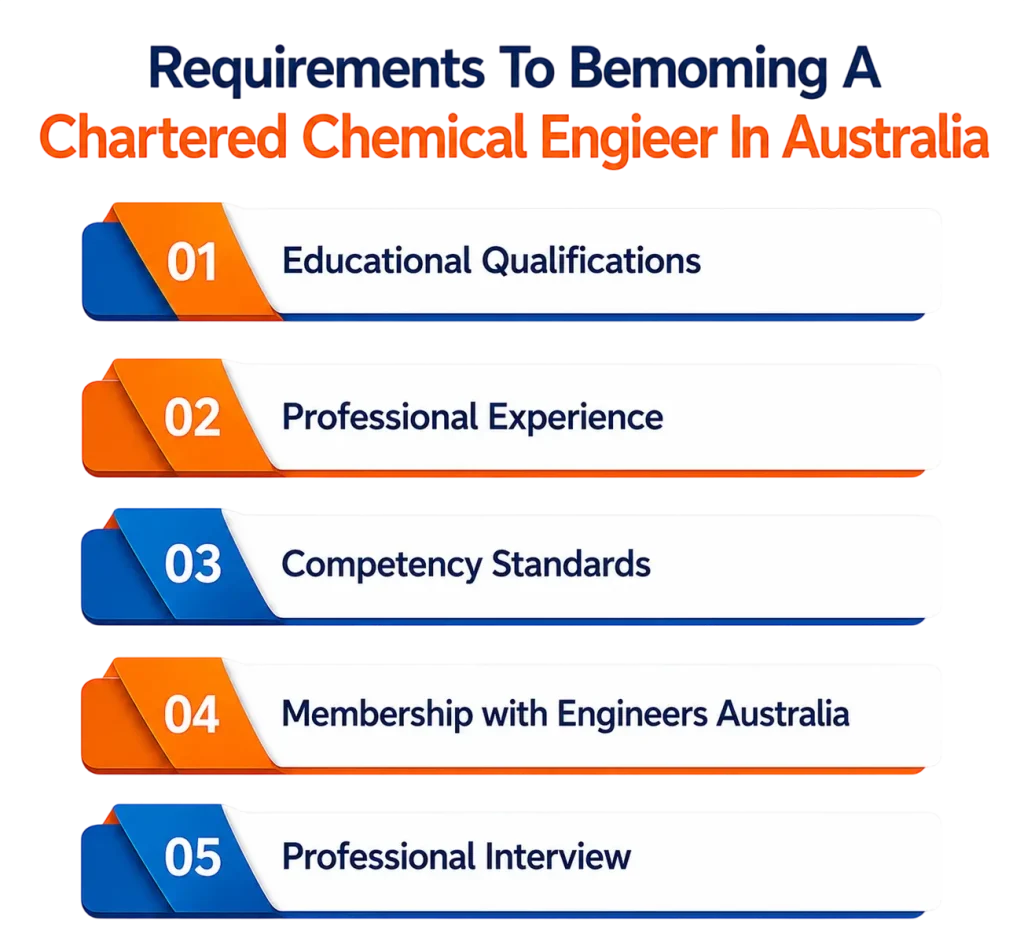
Below following steps and requirements are necessary to achieve chartered chemical engineer credential with Engineers Australia:
1. Confirm Eligibility
- Membership: You must first be a member of Engineers Australia.
- Experience: You typically need a minimum of five years of engineering experience to apply.
- Occupational Category: You must fit into one of the three recognized occupational categories, most commonly Professional Engineer (which requires a four-year accredited degree). Engineering Technologists and Engineering Associates are also eligible for Chartered status within their respective categories.
2. Prepare Documentation and Evidence
- Continuing Professional Development (CPD): The candidate has to maintain a quality portfolio of CPD activities. It will include formal training, site inductions, safety training and networking. When applying through a mutual recognition agreement, show at least 150 hours of CPD over the past 3 years.
- Evidence of Competence: You must collect evidence showing how you have applied the 16 elements of competency in your roles. This evidence can include project plans, emails, technical drawings, peer review reports, and presentations.
Develop the 16 Competencies for Chemical Engineering Practice
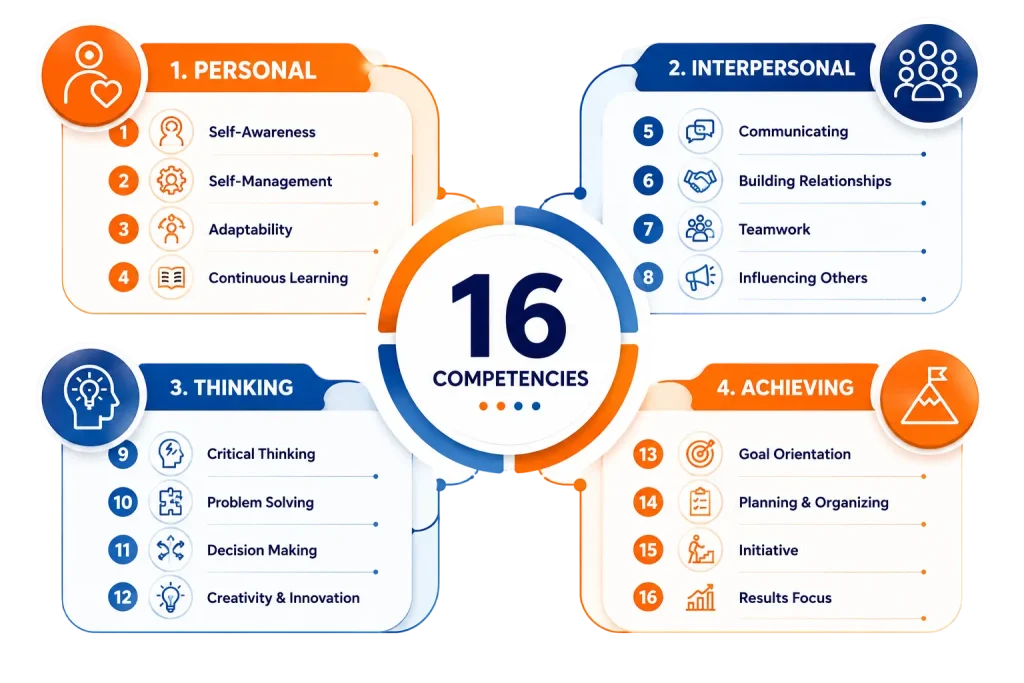
The Chartered Chemical engineer assessment is based on the Stage 2 competency standards for professional engineers. These standards describe the knowledge, engineering application skills, professional values and conduct expected from an engineer who practises independently.
The 16 competencies are grouped into four areas.
Personal Commitment
You need to demonstrate that you:
- Deal with ethical issues
- Practise competently
- Develop safe and sustainable solutions
- Identify, assess and manage risks
- Meet legal and regulatory requirements
For a chemical engineer, this may involve applying process safety principles, identifying hazards, following environmental obligations and making decisions that protect workers, the public and the surrounding community.
Obligation to Community
You must show that you communicate effectively with engineering colleagues, clients, regulators and the wider community. Your work should reflect safety, sustainability and public responsibility.
Chemical engineering decisions can affect plant personnel, nearby communities, environmental systems and business operations. Your evidence should explain how you identified these impacts and communicated technical information clearly to the people involved.
Value in the Workplace
You need to demonstrate sound judgement, responsibility and effective project delivery. This includes defining and analysing engineering problems, developing solutions, evaluating outcomes, improving systems and taking responsibility for your engineering activities.
Your examples should explain your personal contribution. Describe the problem, the options you assessed, the decision you made, the reason for that decision and the result. This approach gives assessors a clear view of your engineering judgement.
Technical Proficiency
You must show that you can plan and manage engineering activities, lead teams, develop people and maintain your professional development.
In chemical engineering, technical proficiency may be demonstrated through process calculations, design reviews, operating improvements, risk studies, commissioning activities, troubleshooting or project management. The evidence should connect your technical work with measurable engineering outcomes
3. Demonstrate Competency (Stage 2 Standards)
The assessment is based on the Stage 2 Competency Standards, which are the profession’s expression of the knowledge and skills required to practice independently. These 16 elements are grouped into four core units:
- Personal Commitment: Dealing with ethical issues, practicing competently, and taking responsibility for engineering activities.
- Obligation to Community: Developing safe and sustainable solutions, identifying and managing risks, and meeting legal and regulatory requirements.
- Value in the Workplace: Effective communication, achieving corporate objectives (performance), taking leadership in activities, and exercising sound professional judgment.
- Technical Proficiency: Applying advanced engineering knowledge, using local and international standards, analyzing complex problems, and evaluating the outcomes of engineering activities.
4. Choose Your Pathway
The application process varies based on your level of experience:
- Standard Pathway (5–15 years of experience): A six-step process that begins with an online self-assessment.
- Streamlined Pathway (15+ years of experience): For those with extensive experience, the process is often simplified into a “Chartered via interview” format.
- Mutual Recognition: If you already hold a Chartered credential from a recognized overseas engineering body, you may be able to apply through a reciprocal agreement.
Area of Practice: Chemical Engineering College
While the Stage 2 competency standards are generic to all engineering disciplines, you will apply them specifically to Chemical Engineering. Engineers Australia maintains a Chemical Engineering College to support professionals in this community. Your written accounts of work must demonstrate how you solve “engineering problems” or conduct “engineering activities” that involve complex technical, social, and environmental requirements relevant to chemical engineering
Apply for Chartered Status Through Engineers Australia (EA)
You must become an Engineers Australia member before applying for Chartered status. The organisation’s pathway begins with membership, followed by CPD records, competency evidence and an online self-assessment for applicants with five to fifteen years of experience.
If you have more than fifteen years of experience, Engineers Australia provides a streamlined Chartered pathway through an interview. Engineers with fewer than five years of experience cannot apply yet, but they can start recording CPD and building evidence for future assessment.
When preparing your application, choose examples from projects that show responsibility, technical judgement and independent practice. Avoid submitting a list of duties without context. Assessors need to see what you did, how you approached the work and what changed because of your involvement.
Build Your Chartered Chemical Engineering Career
Chartered status confirms that Engineers Australia has assessed your professional capability against the independent practice competencies. It gives employers, clients and professional contacts a recognised measure of your experience and technical responsibility. The credential can support career progression, leadership opportunities and international professional recognition.
For the strongest application, start early, keep detailed evidence and connect every example to chemical engineering practice. Your qualification opens the pathway, but your professional decisions, project outcomes, ethical conduct and continuing development demonstrate that you are ready to become a Chartered Professional Engineer.
